No products in the cart.
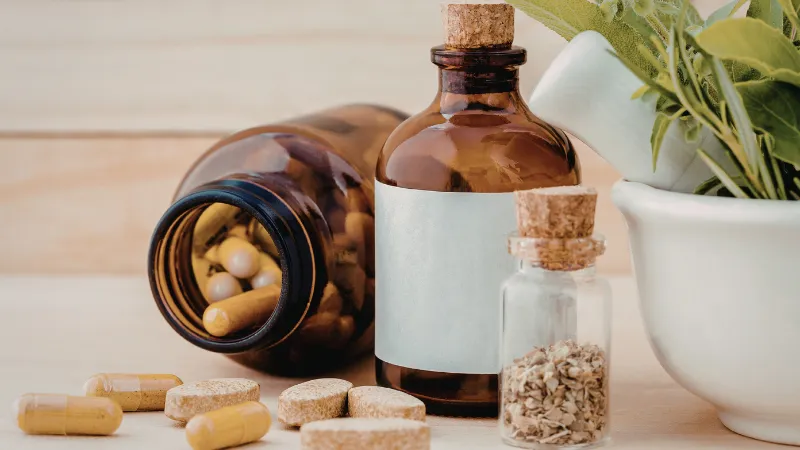

Herbal supplements are more popular than ever—marketed as natural, gentle, and effective solutions for everything from immunity to stress relief. But “natural” doesn’t always mean safe, and not all herbal products are created equal.
So how do you choose the right one? Here’s a practical guide to help you identify safe and effective herbal supplements with confidence.
Herbal supplements can offer real health benefits—but they can also:
That’s why informed decision-making is essential.
A trustworthy supplement should be backed by clinical research, not just traditional use.
Check if the product:
Phrases like “clinically tested” or “clinically proven” are good—but only if the brand is transparent about the evidence.
Always review the label carefully.
A quality herbal supplement will:
Transparency = trust.
Reliable products often carry certifications from recognized authorities. Look for:
These certifications indicate the product has been tested for safety, purity, and consistency.
The effectiveness of herbal supplements depends heavily on the quality of the raw ingredients.
Good brands will:
If the source isn’t mentioned, that’s a red flag.
Be cautious of products that promise:
Herbal supplements work gradually and vary from person to person. Honest brands set realistic expectations.
Even natural ingredients can have side effects or interactions.
Before taking any supplement:
This is especially important for pregnant women, elderly individuals, or those with existing conditions.
Customer reviews can give insights—but don’t rely on them blindly.
Look for:
Avoid products with only overly positive, generic comments.
A brand’s reputation speaks volumes.
Trust companies that:
Established brands are more likely to maintain quality standards.
Herbal supplements can be a valuable part of your wellness routine—but only when chosen wisely. By focusing on clinical evidence, transparency, quality certifications, and realistic claims, you can confidently select products that are both safe and effective.






Leave a comment