What Does “Clinically Proven” Mean in Healthcare Products?
Walk into any pharmacy or browse a wellness website, and you’ll likely see the phrase “clinically proven” everywhere—on supplements, herbal formulations, skincare, and even medical devices. It sounds reassuring, but what does it actually mean? Is it a guarantee of effectiveness, or just a marketing buzzword?
Let’s break it down in a clear and practical way.
Understanding “Clinically Proven”
At its core, clinically proven means that a product has been tested in a clinical setting—typically involving human participants—and has demonstrated measurable results under specific conditions.
This usually involves:
Structured research conducted in a controlled environment
Testing on a group of volunteers or patients
Measurable outcomes (e.g., reduced symptoms, improved health markers)
However, the phrase itself is not always strictly regulated in all markets, which means the depth and quality of the “proof” can vary significantly.
The Science Behind Clinical Proof
A truly credible “clinically proven” claim is backed by clinical trials, which may include:
1. Controlled Studies Participants are divided into groups—one receiving the product and another receiving a placebo or alternative treatment.
2. Measurable Results Outcomes are tracked using scientific methods, such as lab tests, symptom scoring, or imaging.
3. Peer Review & Publication The strongest claims come from studies published in reputable medical journals and reviewed by experts.
Not All “Clinically Proven” Claims Are Equal
Here’s where it gets important: Not every product labeled “clinically proven” has undergone the same level of testing.
Some differences include:
Small vs. large sample sizes A study with 20 people is far less reliable than one with 1,000 participants.
Short-term vs. long-term results A product may show quick results but lack evidence of sustained benefits.
Independent vs. company-funded studies Research funded by the product manufacturer may introduce bias if not independently verified.
“Clinically Proven” vs. “Scientifically Supported”
These two phrases are often used interchangeably, but they’re not the same:
Clinically Proven → Tested on humans with demonstrated results
Scientifically Supported → Backed by scientific theory or lab research, but not always tested in real-world clinical settings
Both are valuable—but clinical proof generally carries more weight for consumers.
What Should You Look For as a Consumer?
To make informed decisions, don’t rely on the label alone. Instead, check for:
Clear references to clinical studies
Transparency about research methods
Certifications or approvals from recognized health authorities
Realistic claims (avoid “miracle cure” language)
If a brand openly shares its research and methodology, it’s usually a positive sign.
Why It Matters
Healthcare products directly impact your well-being. Understanding what “clinically proven” truly means helps you:
Avoid misleading marketing
Choose safer, more effective products
Build trust in brands that prioritize transparency
Final Thoughts
“Clinically proven” can be a powerful indicator of quality—but only when backed by genuine, rigorous research. As a consumer, a little curiosity goes a long way. Always look beyond the label and seek evidence that supports the claim.
Together, the antioxidants infused into this lightweight treatment give you the benefits you would achieve with Vitamin C—and give your skin the same bright, glowing, even-toned results but without the reactivity.









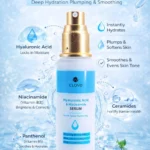



Together, the antioxidants infused into this lightweight treatment give you the benefits you would achieve with Vitamin C—and give your skin the same bright, glowing, even-toned results but without the reactivity.